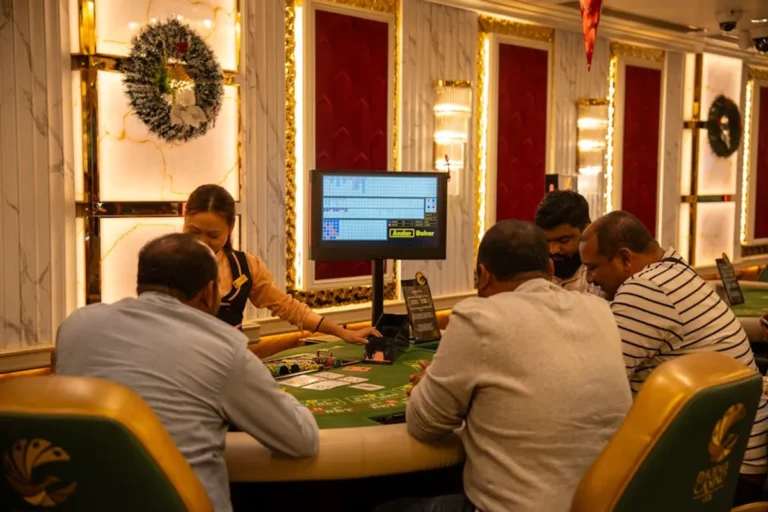

The live casino games sector represents a significant growth area within online gaming, offering an immersive experience that bridges the gap between traditional land-based casinos and digital platforms. For operators, marketers, and site owners, understanding and implementing best practices is not merely about staying competitive; it is about securing market share, building player trust, and ensuring long-term profitability. This involves a multi-faceted approach, from technical infrastructure and game selection to user experience, organic visibility, and regulatory adherence. Overlooking any of these core areas can lead to diminished player engagement, higher churn rates, and lost revenue opportunities in a segment where authenticity and real-time interaction are paramount. Implementing these best practices for live casinos is key to building player trust and ensuring long-term profitability.
Optimizing Technical Infrastructure for Live Streams
The foundation of any successful live casino offering is a robust and reliable technical infrastructure. Live streaming demands significant bandwidth and low latency to deliver a seamless, high-definition experience. Operators must invest in content delivery networks (CDNs) strategically located near target audiences to minimize delay and packet loss. This ensures that video feeds from the dealer studio reach players with minimal buffering, maintaining the illusion of real-time interaction.
Ensuring Low Latency and High Uptime
Low latency is critical for live casino games. A delay of even a few seconds can disrupt the player's ability to place bets or react to game developments, leading to frustration. Implementing dedicated servers, optimizing network routes, and using efficient video codecs (e.g., H.264, H.265) are essential. Furthermore, high uptime, typically 99.9% or higher, is non-negotiable. Redundant systems, failover mechanisms, and proactive monitoring are necessary to prevent service interruptions that directly impact player confidence and revenue. Avoiding common mistakes in live gaming, such as neglecting latency or uptime, directly impacts player confidence and revenue.
Adaptive Streaming for Device Compatibility
Players access live casino games across a diverse range of devices and internet connections. Adaptive bitrate streaming (ABS) technologies, such as HLS (HTTP Live Streaming) and DASH (Dynamic Adaptive Streaming over HTTP), automatically adjust video quality based on the user's bandwidth and device capabilities. This ensures a consistent experience, whether a player is on a high-speed fiber connection on a desktop or a mobile network on a smartphone. Prioritizing a mobile-first design approach for the entire user interface surrounding the live stream is also crucial, as a significant portion of traffic originates from mobile devices.
Curating a Compelling Live Game Portfolio
A diverse and high-quality game selection is a primary driver of player acquisition and retention. The portfolio should cater to varying preferences, betting limits, and cultural backgrounds.
Strategic Game Variety and Provider Selection
Beyond staples like Live Roulette and Live Blackjack, consider offering niche games such as Baccarat, Poker variants (e.g., Casino Hold'em, Three Card Poker), and increasingly popular game shows (e.g., Dream Catcher, Crazy Time). Partnering with reputable live casino software providers is paramount. These providers offer certified fair play, professional studios, and a wide array of localized tables. Evaluate providers based on:
- Game diversity and innovation
- Stream quality and reliability
- Customization options for branding
- Scalability and capacity for high player volumes
- Regulatory compliance and certifications
Professional Dealer Training and Presentation
The live dealers are the face of the operation. Their professionalism, engagement, and ability to host the game effectively directly influence player satisfaction. Dealers should be extensively trained not only in game rules and procedures but also in customer interaction, problem-solving, and maintaining an engaging atmosphere. Multilingual dealers are a significant asset for global markets, allowing players to interact in their native language, which fosters a stronger sense of connection and trust.
Enhancing the Player Experience and Engagement
A superior user experience (UX) keeps players engaged and encourages repeat visits. This extends beyond the game itself to the entire platform interaction.
Intuitive User Interface and Betting Flows
The interface for placing bets, viewing game statistics, and interacting with the dealer must be intuitive and responsive. Cluttered layouts or complex betting processes deter players. Features like one-click betting, clear display of betting limits, and accessible game rules contribute to a frictionless experience. Real-time chat functionality with dealers and fellow players, when implemented thoughtfully, can enhance the social aspect without distracting from gameplay.
Multilingual Support and Localized Content
To capture a global audience, the entire platform, including game interfaces, customer support, and promotional materials, should be available in multiple languages. Localization goes beyond translation; it involves adapting content and offerings to cultural nuances, local payment methods, and regional preferences. This demonstrates a commitment to serving diverse player bases effectively.
Driving Organic Visibility and Player Acquisition
Even with a technically sound and engaging product, visibility is key. A robust SEO strategy is essential for attracting new players organically.
Content Strategy for Live Casino SEO
Develop a comprehensive content strategy focused on relevant keywords. This includes creating dedicated landing pages for each live game type (e.g., "live blackjack online," "live roulette real money"), comprehensive guides on how to play, strategy articles, and blog posts covering game variations or dealer etiquette. The content should be informative, authoritative, and optimized for search intent, targeting both informational and commercial queries.
- Game-specific landing pages with unique content
- Strategy guides and "how-to-play" articles
- Comparison content for different live game providers
- News and updates on new live game releases
- Informative articles on responsible gaming practices
Leveraging Structured Data and Schema Markup
Implementing schema markup (e.g., , Maintaining Trust and Regulatory Compliance
Trust is the bedrock of the online gaming industry. Players must be confident in the fairness of games and the security of their funds. Operating under reputable licenses (e.g., Malta Gaming Authority, UK Gambling Commission, Curacao eGaming) is non-negotiable. Clearly display licensing information on the website. Regular audits by independent third-party agencies (e.g., eCOGRA, iTech Labs) for random number generators (RNGs) and game fairness are essential, even for live games where the physical wheel or cards are used. These certifications reassure players about the integrity of the games. A commitment to responsible gaming protects players and enhances the operator's reputation. This includes providing tools for players to set deposit limits, loss limits, self-exclusion options, and easy access to support organizations for problem gambling. Clearly visible responsible gaming policies and educational resources are vital. Sustained success in the live casino market requires a continuous cycle of optimization, adaptation, and innovation. Regularly analyze player data to identify popular games, peak playing times, and areas for improvement in the user journey. Stay informed about emerging technologies, such as augmented reality (AR) or virtual reality (VR) integrations, which could further enhance the live dealer experience. The market is dynamic, and operators who consistently refine their offerings based on player feedback and technological advancements will maintain a competitive edge. Live casino games feature real human dealers, physical cards, wheels, or dice, and are streamed in real-time from a studio. This contrasts with regular online casino games, which use computer-generated graphics and random number generators (RNGs) to determine outcomes. Fairness is ensured through several mechanisms: reputable licensing authorities oversee operations, games are conducted by professional dealers in transparent studio environments, and the underlying systems are often audited by independent third-party agencies for integrity and randomness. Players typically need a stable internet connection (broadband or 4G/5G recommended) and a modern device (desktop, laptop, tablet, or smartphone) with an updated browser. The specific bandwidth requirement can vary based on the desired video quality. Yes, most live casino platforms include a chat function that allows players to communicate with the dealer and sometimes with other players at the table. Dealers often respond verbally, enhancing the interactive and social aspects of the game.Transparent Licensing and Fair Play Audits
Implementing Responsible Gaming Measures
Implementing Best Practices for Sustained Growth
Frequently Asked Questions About Live Casino Games
What makes live casino games different from regular online casino games?
How do operators ensure the fairness of live casino games?
What technical requirements are needed to play live casino games?
Can players interact with live dealers?