
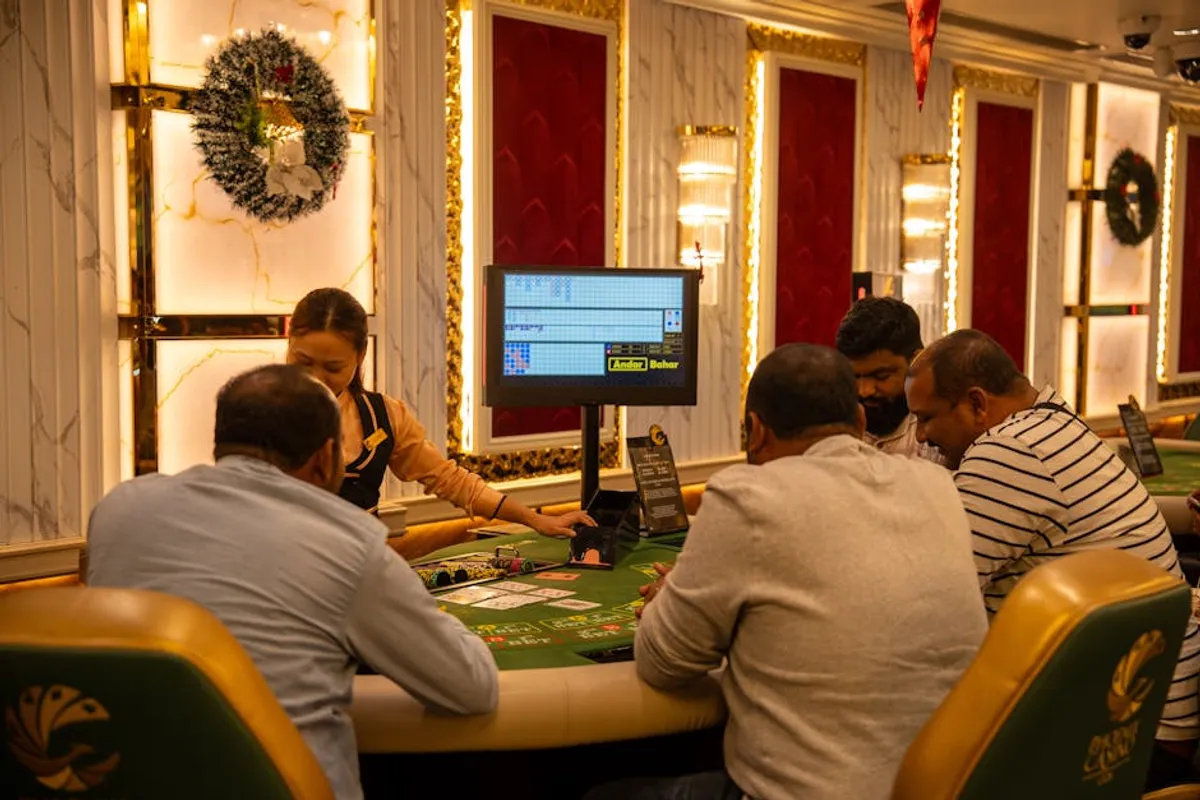
Live casino games represent a convergence of traditional gambling mechanics and advanced digital streaming technology. For publishers, marketers, and platform operators, understanding the operational backbone of these games is crucial for optimizing user experience, ensuring compliance, and maximizing commercial potential. These are not merely animated simulations; they are real-time broadcasts of physical casino tables, managed by human dealers, with player interactions facilitated through sophisticated digital interfaces. The complexity lies in seamlessly integrating high-definition video, real-time data processing, and secure financial transactions, all while maintaining the integrity and authenticity of a land-based casino environment.
The Operational Architecture of Live Casino Games
At its core, a live casino game operates through a synchronized system of physical components and digital infrastructure. This setup ensures that physical actions at a gaming table are accurately translated into digital data, allowing remote players to participate and place bets in real time.
Studio Setup and Dealer Management
Live casino games originate from purpose-built studios, designed to replicate the ambiance of a high-end casino floor. These studios house multiple gaming tables, each staffed by professionally trained dealers. The dealers are central to the experience, managing the game flow, interacting with players via chat, and ensuring fair play. Their actions, from dealing cards to spinning roulette wheels, are performed in front of high-definition cameras.
Game Control Unit (GCU) Integration
Each gaming table is equipped with a Game Control Unit (GCU), a small, specialized computer integral to the operation. The GCU encodes the video stream and acts as the central hub for data capture. It processes and translates physical game outcomes into digital data. For instance, in roulette, the GCU might register the winning number from the wheel; in blackjack, it identifies card values. This device is crucial because it bridges the physical and digital realms, ensuring accurate data transmission to the game server.
Optical Character Recognition (OCR) Technology
To digitize physical game elements, live casino platforms heavily rely on Optical Character Recognition (OCR) technology. High-speed cameras continuously scan the game table. For card games, OCR identifies the suit and rank of each card dealt. In roulette, it recognizes the number on which the ball lands. This real-time data capture is essential for displaying accurate game states to players and for validating outcomes, minimizing the potential for human error and enhancing transparency. This real-time data capture is essential for displaying accurate game states to players and for validating outcomes, minimizing the potential for human error and enhancing transparency; being aware of common mistakes to avoid can also improve gameplay.
High-Definition Video Streaming
The visual component is delivered through high-definition video streaming. Multiple cameras are positioned around each table, offering various angles, including close-ups of the game action and wider shots of the dealer and table. This stream is compressed and transmitted to players with minimal latency, aiming for a seamless, broadcast-quality experience. The quality of the stream directly impacts player immersion, making robust bandwidth and efficient encoding critical.
Player Interaction and Data Flow
The player's interaction with a live casino game is mediated through a sophisticated user interface (UI) that overlays the live video stream. This interface allows for betting, communication, and access to game information.
When a player joins a table:
- The live video feed from the studio is streamed to their device.
- The UI displays betting options, chip denominations, and a timer for placing wagers.
- Players use the UI to place their bets, which are then transmitted to the game server.
- The game server processes these bets and communicates them to the dealer (often via a monitor visible only to the dealer).
- The dealer performs the game action (e.g., deals cards, spins the wheel).
- OCR and the GCU capture the physical outcome and send the data back to the game server.
- The game server calculates results, updates player balances, and displays the outcome on the player's UI.
- Players can use a chat function to communicate with the dealer and sometimes with other players, enhancing the social aspect.
Pro Tip for Platform Operators: Maintaining ultra-low latency in live video streams is paramount. Even minor delays between dealer action and player screen updates can disrupt the immersive experience and erode trust. Invest in robust content delivery networks (CDNs) and optimized encoding protocols to ensure real-time synchronization, which directly impacts player retention and perceived fairness.
Backend Infrastructure and Security
Behind the visible interface, a complex backend infrastructure supports the entire live casino operation. This includes powerful servers, secure databases, and advanced network architecture.
Server Infrastructure
Dedicated servers manage player accounts, betting transactions, game logic, and data storage. These servers must be highly scalable to handle thousands of concurrent players across multiple games and regions without performance degradation. Redundancy and load balancing are critical to ensure uninterrupted service.
Security and Fair Play
Security is non-negotiable. All data, from player details to financial transactions, is protected using advanced encryption protocols (e.g., SSL/TLS). Random Number Generators (RNGs) are not used for game outcomes in live dealer games, as the outcomes are physical. Instead, fairness is ensured through rigorous auditing of the physical equipment, dealer procedures, and the GCU/OCR systems by independent third-party agencies. Licensing bodies also impose strict regulations on operational transparency and integrity.
Regulatory Compliance
Live casino operators must adhere to stringent regulatory requirements in each jurisdiction they serve. This includes obtaining licenses, implementing responsible gambling measures, and undergoing regular audits to verify the fairness and security of their operations. Compliance is a continuous process, essential for maintaining legal standing and player trust.
Optimizing the Live Casino Experience
For those involved in the commercial side, understanding these mechanics translates into actionable insights. Optimizing the live casino experience involves more than just offering a wide variety of games. It requires a focus on technical reliability, user engagement, and transparent operations.
Key areas for optimization include:
- Stream Quality: Ensuring consistent high-definition video with minimal buffering across various devices and network conditions.
- User Interface Design: Creating intuitive, responsive interfaces that facilitate quick betting and easy access to game rules and history.
- Dealer Professionalism: Training dealers not only in game mechanics but also in engaging communication and customer service.
- Mobile Optimization: Developing dedicated apps or highly responsive web platforms that deliver a seamless experience on smartphones and tablets.
- Localized Content: Offering games with dealers speaking different languages and catering to regional preferences.
Understanding the Mechanics for Commercial Advantage
The appeal of live casino games stems from their ability to bridge the gap between virtual convenience and authentic casino atmosphere. For businesses operating in this space, a deep understanding of how these games work – from the studio floor to the player's screen – provides a foundation for strategic decision-making. This includes selecting reliable technology partners, ensuring regulatory adherence, and crafting marketing messages that accurately reflect the immersive and secure nature of the live gaming experience. The blend of human interaction, real-time action, and advanced technology defines the unique value proposition of live casino games. To further enhance your gaming sessions, consider exploring some helpful tips for a better experience and maximizing your enjoyment.
Frequently Asked Questions
What equipment is needed to run a live casino game?
Running a live casino game requires a dedicated studio with gaming tables, high-definition cameras, professional dealers, a Game Control Unit (GCU) for each table, and robust server infrastructure for streaming and data processing. Optical Character Recognition (OCR) technology is also essential for digitizing physical game outcomes.
How is fair play ensured in live casino games?
Fair play is ensured through several mechanisms: physical game outcomes (not RNGs), professional dealers adhering to strict protocols, independent auditing of equipment and procedures, and real-time monitoring of game integrity. Regulatory bodies also issue licenses and conduct regular compliance checks.
Can live casino games be played on mobile devices?
Yes, most modern live casino platforms are fully optimized for mobile play. They utilize responsive web design or dedicated mobile applications to deliver a seamless user experience on smartphones and tablets, allowing players to access games anywhere with an internet connection.
What is the role of the Game Control Unit (GCU)?
The Game Control Unit (GCU) is a critical piece of hardware attached to each live gaming table. Its primary role is to encode the video stream and convert physical game actions and outcomes into digital data that can be processed by the game server and displayed to players' interfaces.