
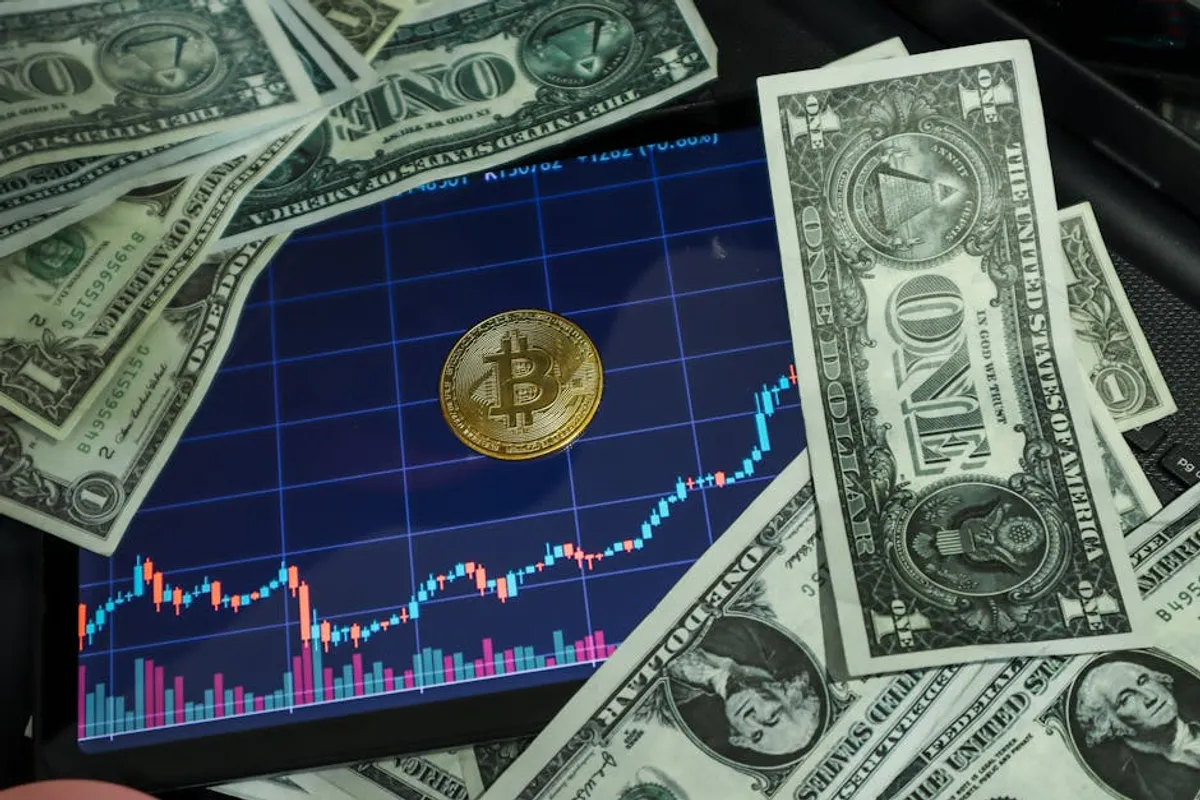
Navigating the volatile cryptocurrency market demands constant vigilance, a task often incompatible with other professional commitments. Price alerts offer a critical solution for market participants, enabling them to monitor Bitcoin and altcoin movements without being tethered to a screen. These automated notifications serve as a strategic tool, designed to signal specific market conditions that align with predefined trading or investment objectives. For professionals managing diverse portfolios or advising clients, understanding and implementing effective price alert systems is not merely a convenience but a mechanism for optimizing decision-making, mitigating risk, and capitalizing on fleeting opportunities.
Understanding Cryptocurrency Price Alerts
A cryptocurrency price alert is an automated notification triggered when a digital asset's price, or another specified metric, meets a user-defined condition. These systems continuously monitor market data across various exchanges, sending real-time updates through chosen communication channels. Their primary function is to eliminate the need for manual, continuous market observation, allowing users to focus on other tasks while remaining informed about critical market shifts.
The utility of these alerts extends beyond simple price thresholds. Advanced systems can track percentage changes over time, volume spikes, or even technical indicator crossovers, providing a nuanced view of market dynamics. This capability transforms a basic notification into a strategic component of a comprehensive market monitoring framework.
Strategic Advantages of Implementing Price Alerts
Integrating price alerts into a cryptocurrency strategy offers several distinct advantages, contributing directly to more informed and efficient market engagement.
- Opportunity Capture: Alerts notify users when an asset reaches a target entry price, allowing for timely purchases at desired valuations. Conversely, they signal when an asset hits a sell target, facilitating profit-taking or risk reduction.
- Risk Mitigation: By setting alerts at stop-loss levels, users receive immediate notification if an asset's price drops below a predetermined threshold. This allows for prompt action to limit potential losses, preventing minor corrections from escalating into significant portfolio drawdowns.
- Time Efficiency: Constant market monitoring is resource-intensive. Price alerts automate this process, freeing up significant time for other professional or personal commitments. Users receive relevant information only when action is potentially required, reducing noise and improving focus.
- Emotional Detachment: Automated alerts help enforce a disciplined approach to trading and investing. By pre-defining entry and exit points, users are less likely to make impulsive decisions driven by fear or greed, adhering instead to a structured plan.
- Market Trend Identification: Alerts based on volume or significant percentage changes can indicate emerging trends or shifts in market sentiment, providing early signals for further analysis or strategic adjustments.
Selecting the Right Alert Mechanism
The choice of platform for setting price alerts depends on individual needs, the complexity of desired conditions, and preferred notification methods.
Exchange-Integrated Solutions
Many major cryptocurrency exchanges incorporate built-in alert features directly within their trading platforms. These are often straightforward to set up, leveraging the exchange's own real-time data feeds.
Best for: Users who primarily trade on a single exchange and require basic price threshold alerts for assets available on that platform. Notifications typically come via in-app alerts, email, or sometimes SMS.
Dedicated Third-Party Platforms
Specialized third-party services and market tracking applications offer more advanced alert functionalities. These platforms often aggregate data from multiple exchanges, providing a broader market view and enabling more complex alert conditions.
Best for: Users requiring alerts for a wider range of altcoins, across various exchanges, or needing sophisticated conditions like percentage changes, volume triggers, or technical indicator crossovers. These services frequently support a wider array of notification channels, including push notifications, email, SMS, and integrations with messaging applications.
Pro Tip: When choosing a third-party alert service, verify its data sources and refresh rate. An alert system is only as effective as the accuracy and timeliness of the market data it processes. Delayed or inaccurate data can lead to missed opportunities or delayed risk mitigation.
Implementing Your Alert System
Setting up effective price alerts involves a systematic approach, moving from defining objectives to configuring the notifications.
Defining Alert Triggers
Begin by clearly outlining the specific conditions that warrant an alert. This requires a defined strategy for each asset:
Target Price Thresholds: Set alerts for specific buy or sell prices. For example, "Notify me if Bitcoin drops below $60,000" or "Notify me if Ethereum rises above $3,500."
Percentage Changes: Configure alerts to trigger when an asset's price moves by a certain percentage within a defined timeframe. For instance, "Alert me if an altcoin drops 5% in one hour," indicating potential volatility or a shift in momentum.
Volume Spikes: For assets where liquidity and interest are key, set alerts for unusual trading volume. A significant increase in volume often precedes or accompanies substantial price movements.
Moving Average Crossovers: More advanced users might set alerts based on technical indicators, such as when a short-term moving average crosses above or below a long-term moving average, signaling potential trend changes.
Configuring Notification Channels
Select the notification method that best suits your responsiveness requirements and workflow:
- Push Notifications: Ideal for immediate, attention-grabbing alerts directly to a mobile device.
- Email: Suitable for less urgent notifications or for creating a documented log of alert triggers.
- SMS (Text Message): Effective for critical, time-sensitive alerts, especially when internet connectivity might be unreliable for app notifications.
- In-App Alerts: For platforms with dedicated interfaces, alerts can appear directly within the application, often accompanied by an audible chime.
- Webhook/API Integrations: For highly customized setups, alerts can be sent to external systems, such as trading bots or custom dashboards, via webhooks or APIs.
Optimizing Alert Effectiveness
Effective alert management is an ongoing process that requires periodic review and adjustment.
Avoid Alert Fatigue: Setting too many alerts for minor price fluctuations or non-critical assets can lead to desensitization, causing users to ignore important signals. Focus alerts on key strategic levels and assets of primary interest.
Regular Review and Adjustment: Market conditions are dynamic. What constitutes a critical price level today may be irrelevant next month. Periodically review and update your alert settings to reflect current market sentiment, technical analysis, and your evolving investment strategy.
Integrate with a Defined Strategy: Price alerts are tools, not a substitute for a well-researched trading or investment strategy. Use them to execute pre-planned actions, rather than as a reactive measure to every market fluctuation.
Test Your Notifications: Before relying on an alert system, conduct a test to ensure notifications are delivered promptly and through your preferred channels. This verifies the system's operational readiness.
Consider Asset Volatility: For highly volatile altcoins, set wider alert thresholds to avoid frequent, non-actionable notifications. Conversely, for more stable assets, tighter thresholds might be appropriate.
Refining Your Alert Strategy
The strategic deployment of price alerts transforms passive market observation into an active, informed process. By carefully defining triggers, selecting appropriate platforms, and maintaining a disciplined approach to alert management, market participants can leverage these tools to enhance their decision-making capabilities. The goal is to create an alert system that provides timely, actionable intelligence without overwhelming the user, ultimately contributing to more effective navigation of the complex cryptocurrency landscape.
Frequently Asked Questions
How often should I adjust my cryptocurrency price alerts?
Alerts should be reviewed and adjusted regularly, typically weekly or monthly, and whenever there are significant shifts in market conditions, fundamental news, or changes in your personal trading strategy. Volatile markets may require more frequent adjustments.
Can I set alerts for multiple cryptocurrencies simultaneously?
Yes, most dedicated third-party alert platforms and some exchange-native systems allow users to set alerts for numerous Bitcoin and altcoin pairs concurrently, often with different conditions for each asset.
What is the difference between a price alert and a limit order?
A price alert is a notification that a specific price has been reached, requiring manual action. A limit order, conversely, is an instruction placed with an exchange to automatically buy or sell an asset once a specified price is met, executing the trade without further user intervention.
Are cryptocurrency price alerts always accurate and real-time?
While most reputable alert services strive for accuracy and near real-time data, minor delays can occur due to data aggregation, network latency, or platform processing times. It's crucial to understand that alerts are typically based on data from specific exchanges or aggregated feeds, and prices can vary slightly across different platforms.