
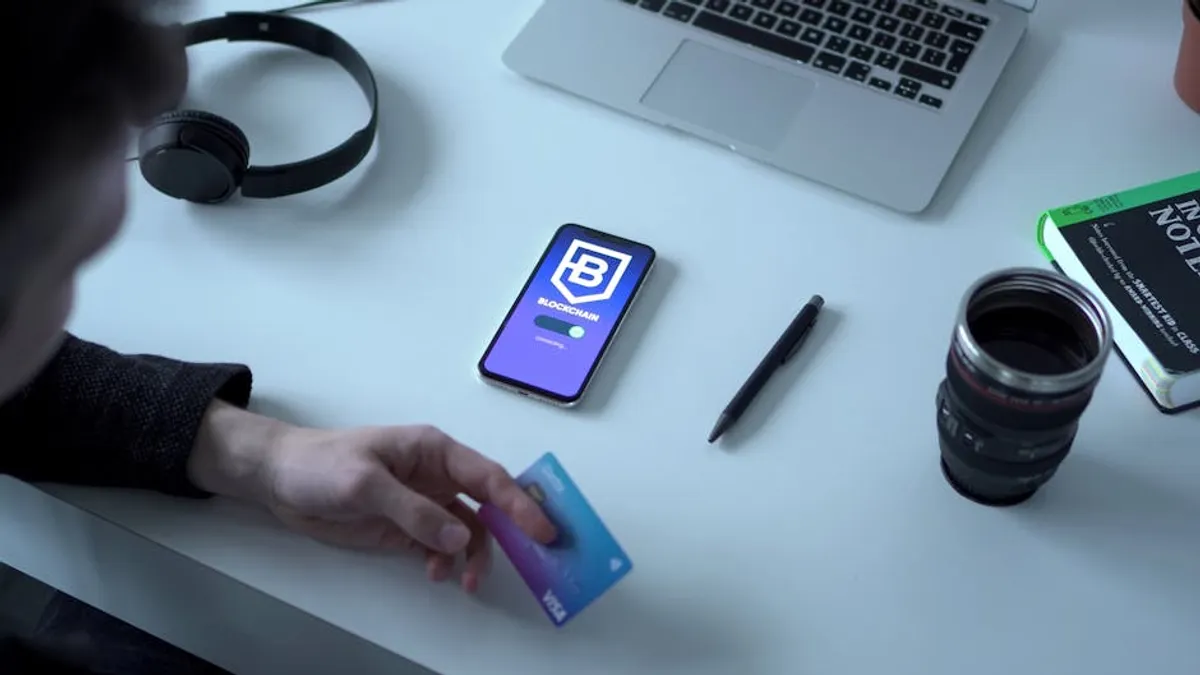
E-commerce businesses continually seek competitive advantages, often focusing on operational efficiency, enhanced security, and improved customer trust. Traditional systems, while functional, frequently present vulnerabilities regarding data integrity, transaction costs, supply chain opacity, and the friction associated with loyalty programs. Blockchain technology, initially recognized for its role in cryptocurrencies, offers a decentralized, immutable ledger system that directly addresses several of these long-standing e-commerce challenges. Implementing blockchain is not a universal solution but a strategic decision for specific pain points, offering pathways to verifiable transparency, reduced intermediary reliance, and novel customer engagement models.
Core Problems Blockchain Addresses in E-commerce
Supply Chain Transparency and Provenance
One of the most compelling applications of blockchain in e-commerce involves enhancing supply chain visibility. Consumers increasingly demand to know the origin, ethical sourcing, and authenticity of products. Blockchain creates an immutable, timestamped record of every step a product takes, from raw material sourcing to manufacturing, shipping, and delivery. Each participant in the supply chain can add data to the ledger, which is then verifiable by others without a central authority. This distributed record prevents data manipulation and provides an auditable trail.
Practical benefits include:
- Counterfeit Prevention: By tracking unique product identifiers (e.g., QR codes, NFC tags) on a blockchain, consumers can verify a product's authenticity instantly, reducing the market for fake goods.
- Ethical Sourcing Verification: E-commerce brands can transparently demonstrate adherence to fair labor practices or sustainable material sourcing, building consumer trust.
- Efficient Recalls: In the event of a product defect or contamination, the precise batch and distribution path can be identified rapidly, enabling targeted and efficient recalls.
- Reduced Disputes: Clear provenance data minimizes disagreements between suppliers, logistics providers, and retailers regarding product origin or condition.
Secure Payments and Reduced Fraud
Blockchain technology facilitates peer-to-peer transactions using cryptocurrencies, which can significantly alter the payment landscape for e-commerce. These transactions typically incur lower fees compared to traditional credit card processing, which often includes interchange fees, assessment fees, and processor markups. Cryptographic security measures inherent in blockchain reduce the risk of fraud, particularly chargebacks, as transactions are irreversible once confirmed on the ledger. This finality can be a substantial advantage for merchants who frequently deal with chargeback disputes.
Best for: E-commerce businesses seeking to minimize transaction costs, reduce payment fraud, and cater to a growing demographic of cryptocurrency users. It also provides an option for cross-border payments with fewer currency conversion hurdles and faster settlement times.
Customer Loyalty and Rewards Programs
Traditional loyalty programs often suffer from low engagement, restricted redemption options, and perceived lack of value. Blockchain-based loyalty programs introduce tokenized rewards, converting points into digital assets (tokens) on a blockchain. These tokens offer several advantages:
Benefits of tokenized loyalty:
- Interoperability: Tokens can potentially be used across multiple participating merchants, increasing their utility and perceived value for customers.
- Transferability: Customers can trade or sell their loyalty tokens on secondary markets, creating a liquid asset out of previously illiquid points.
- Transparency: The rules for earning and redeeming tokens are encoded in smart contracts, ensuring fairness and preventing arbitrary changes by the program issuer.
- Enhanced Engagement: The novelty and financial potential of transferable, multi-use tokens can drive higher customer participation and retention.
Digital Rights Management and Authenticity
For e-commerce platforms dealing in digital goods (e.g., software licenses, digital art, music, e-books) or luxury physical items, blockchain can provide robust mechanisms for ownership verification and digital rights management. Non-fungible tokens (NFTs), a specific type of blockchain token, can represent unique digital or physical assets. This allows for verifiable ownership and a clear history of transactions, which is critical for preventing unauthorized copying or proving the authenticity of high-value goods.
Example application: A luxury fashion e-tailer could issue an NFT with each high-end handbag sale, proving its authenticity and ownership history, which can be transferred with the item upon resale, combating the counterfeit market.
Data Security and Privacy
Centralized databases, common in e-commerce, are attractive targets for cyberattacks. A data breach can compromise millions of customer records, leading to financial losses and reputational damage. Blockchain's decentralized nature distributes data across a network, making it significantly harder for a single point of failure to compromise the entire system. While not a complete replacement for traditional databases, blockchain can be used to secure sensitive customer data through encryption and by giving customers more control over their personal information through verifiable consent mechanisms.
Pro Tip: When considering blockchain for data security, focus on securing critical, immutable data points (e.g., transaction hashes, consent records) rather than attempting to store all customer PII on a public blockchain. Implement a hybrid approach where sensitive data remains off-chain but its integrity and access are managed via blockchain.
Implementing Blockchain: Key Considerations
Integration Challenges
Integrating blockchain technology into existing e-commerce infrastructure is complex. Most e-commerce platforms, ERP systems, and CRM tools are built on traditional database architectures. Blockchain adoption requires careful planning to ensure seamless data flow and operational continuity. This often involves developing custom APIs, middleware, or leveraging specialized blockchain-as-a-service (BaaS) platforms that abstract some of the underlying complexity.
Scalability and Transaction Costs
Public blockchains, while offering decentralization, can sometimes struggle with transaction speed and volume, leading to high transaction fees (gas fees) during periods of high network congestion. For e-commerce, where high transaction throughput is critical, this can be a significant hurdle. Solutions like layer-2 scaling protocols, sidechains, or the use of permissioned blockchains (which prioritize speed and lower costs over full decentralization) are often explored to address these scalability concerns.
Regulatory Landscape
The regulatory environment surrounding blockchain and cryptocurrencies is still evolving. E-commerce businesses adopting these technologies must navigate complex and often varying legal frameworks concerning digital assets, data privacy (e.g., GDPR's "right to be forgotten" versus blockchain's immutability), consumer protection, and anti-money laundering (AML) compliance. Consulting with legal experts specializing in blockchain is essential before significant implementation.
Strategic Adoption for E-commerce Growth
Blockchain is not a panacea for all e-commerce woes, but a powerful tool when applied judiciously to specific, high-impact problems. Businesses should identify areas where current systems are inefficient, lack transparency, or are vulnerable to fraud. Start with pilot projects that address a single, well-defined problem, such as tracking a specific product line's provenance or tokenizing a small-scale loyalty program. This allows for learning and adaptation without disrupting core operations. The long-term value lies in leveraging blockchain's unique properties—immutability, decentralization, and cryptographic security—to build verifiable trust, streamline operations, and create innovative customer experiences that differentiate an e-commerce brand in a competitive market.
Frequently Asked Questions
Is blockchain suitable for all e-commerce businesses?
No. Blockchain implementation is most beneficial for businesses facing specific challenges related to supply chain transparency, payment fraud, digital asset authenticity, or those looking to innovate loyalty programs. Small businesses with simple operations might find the overhead outweighing the benefits.
What are the main costs involved in implementing blockchain for e-commerce?
Costs can include development and integration with existing systems, transaction fees (if using public blockchains), ongoing maintenance, and legal consultation to navigate regulatory complexities. Initial investment can be substantial, depending on the scope.
How does blockchain improve customer trust in e-commerce?
Blockchain enhances trust by providing verifiable transparency for product origins, ethical sourcing, and authenticity. It also offers secure, tamper-proof transaction records and can give customers more control over their data and loyalty rewards, fostering confidence in the brand.
Can blockchain replace traditional payment systems entirely?
While blockchain-based payments offer advantages like lower fees and reduced fraud, they are unlikely to fully replace traditional systems in the short term. They serve as a complementary option, particularly for cross-border transactions or for customers who prefer using cryptocurrencies.