
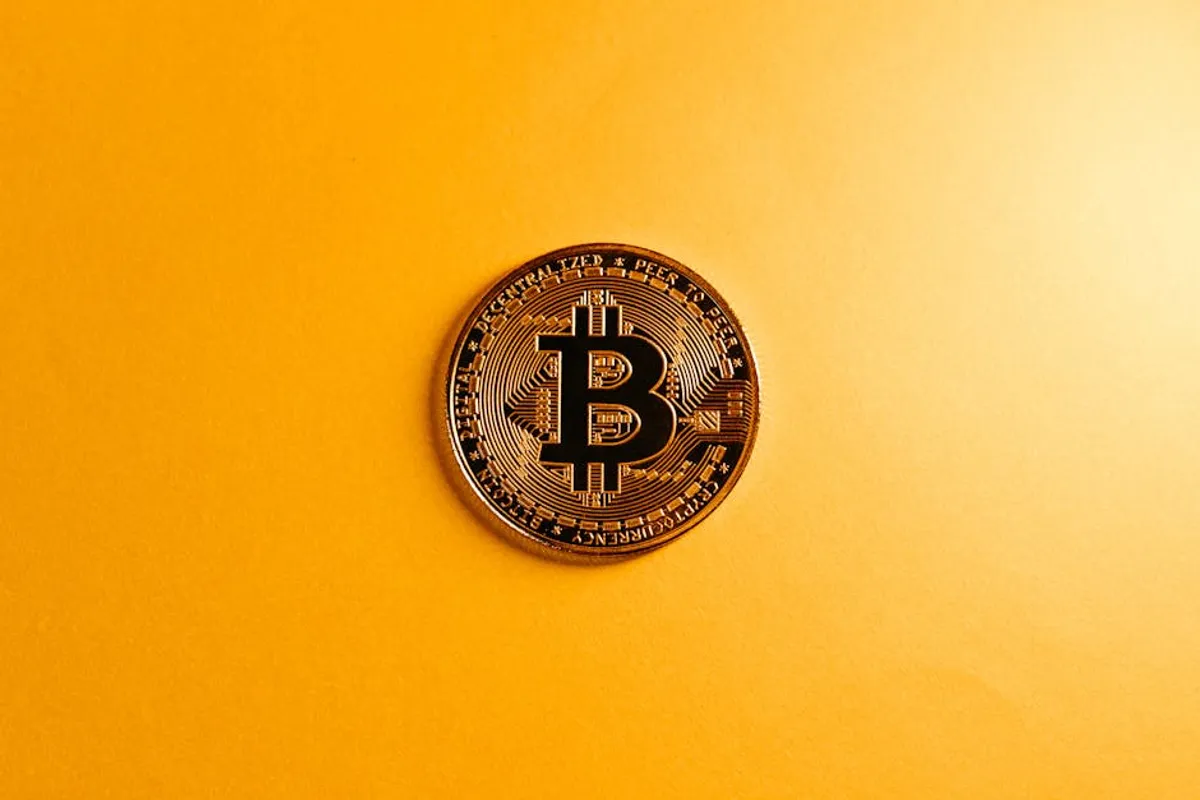
Investors evaluating asset allocation often weigh the merits of established traditional assets against the potential of emerging digital ones. The comparison between Bitcoin and gold exemplifies this dynamic, presenting a choice between a historically proven store of value and a technologically advanced, decentralized alternative. Understanding the distinct characteristics, risk profiles, and market drivers of each asset is crucial for making informed decisions that align with individual financial objectives and risk tolerance.
Fundamental Characteristics and Value Propositions
Gold: The Traditional Safe Haven
Gold has served as a monetary and investment asset for millennia, deriving its value from its physical properties—scarcity, durability, malleability, and non-reactivity—and its widespread acceptance as a medium of exchange and store of wealth. Its role as a hedge against inflation and geopolitical instability is well-documented, making it a staple in diversified portfolios. Demand for gold spans industrial applications, jewelry, and central bank reserves, contributing to its consistent market presence.
Best for: Capital preservation, inflation hedging, portfolio diversification against market volatility, and long-term wealth storage with an established track record.
Bitcoin: The Digital Disruptor
Bitcoin, introduced in 2009, is a decentralized digital currency operating on a peer-to-peer network, secured by cryptography. Its value proposition centers on its fixed supply cap of 21 million coins, its censorship resistance, and its global, permissionless nature. Unlike traditional assets, Bitcoin exists purely in the digital realm, leveraging blockchain technology to ensure transparency and immutability of transactions. Its emergence challenges conventional financial systems and offers a new paradigm for digital value transfer and storage.
Best for: Exposure to technological innovation, high growth potential, protection against currency debasement, and a hedge against centralized financial system risks.
Key Comparison Metrics for Investors
Scarcity and Supply Dynamics
Gold's scarcity is determined by the finite amount available in the Earth's crust and the rate at which it can be mined. While new supply enters the market annually, it represents a small fraction of the existing above-ground stock, contributing to its perceived value. Bitcoin, by design, possesses absolute scarcity, with a hard-coded limit of 21 million units. This fixed supply is enforced by its protocol and is not subject to human intervention or increased production capacity. The predictable reduction in new Bitcoin issuance through "halving" events further reinforces its scarcity model, contrasting with the more variable and economically driven supply of gold.
Volatility and Risk Profile
Historically, gold exhibits lower price volatility compared to most other financial assets, often performing well during periods of economic uncertainty or market downturns. Its price movements tend to be more gradual, reflecting its mature market and broad investor base. Bitcoin, as a newer asset class, is characterized by significantly higher volatility. Its price can experience rapid and substantial swings, driven by market sentiment, regulatory news, technological developments, and adoption rates. This higher volatility presents both greater risk and greater potential for capital appreciation.
Liquidity and Accessibility
Gold is one of the most liquid assets globally, traded 24/7 in various forms including physical bullion, exchange-traded funds (ETFs), futures contracts, and mining stocks. Its market infrastructure is deeply integrated into global finance, offering diverse entry and exit points for investors of all sizes. Bitcoin also boasts 24/7 global liquidity through numerous cryptocurrency exchanges. However, its accessibility can vary by jurisdiction, and the infrastructure, while rapidly maturing, is still distinct from traditional financial markets. Custody solutions for Bitcoin range from self-custody using hardware wallets to institutional-grade third-party custodians.
Store of Value Attributes
Gold's status as a store of value is underpinned by thousands of years of human history, during which it has consistently maintained purchasing power across civilizations and economic cycles. Its physical tangibility and universal recognition contribute to its enduring appeal. Bitcoin's claim as a store of value is more recent and still developing. Proponents argue that its digital scarcity, decentralization, and resistance to inflation make it a superior "digital gold," especially for a globalized, internet-native economy. However, its shorter track record and price volatility mean its long-term store-of-value efficacy is still being established.
Regulatory Landscape and Custody
The regulatory framework for gold is well-defined and mature, with established laws governing its mining, trading, and ownership across most countries. Custody options for gold, whether physical or through financial instruments, are also well-understood and regulated. Bitcoin's regulatory environment is still evolving and varies significantly by country. Some nations have embraced it, others restrict it, and many are still developing comprehensive frameworks. Custody presents a unique challenge: investors can hold their own Bitcoin in digital wallets (self-custody), which offers maximum control but requires technical proficiency and security awareness, or rely on third-party exchanges and custodians, which introduces counterparty risk.
Pro Tip: When evaluating Bitcoin and gold, consider the "opportunity cost" of capital. Gold offers stability and a proven track record against inflation, while Bitcoin offers asymmetric upside potential at the cost of higher volatility. Your portfolio allocation should reflect your personal financial goals, time horizon, and capacity for risk, rather than a binary choice between the two.
Portfolio Role and Investor Goals
The decision to invest in Bitcoin, gold, or both, largely depends on an investor's specific objectives and risk appetite. Investors prioritizing long-term capital preservation, inflation protection, and portfolio stability often allocate a portion to gold. Those seeking higher growth potential, exposure to disruptive technology, and a hedge against monetary expansion in the digital age might favor Bitcoin.
Key factors influencing investor choice include:
- Risk Tolerance: High volatility of Bitcoin vs. relative stability of gold.
- Investment Horizon: Long-term historical performance of gold vs. newer, high-growth potential of Bitcoin.
- Inflation Expectations: Both are considered inflation hedges, but their mechanisms and historical performance differ.
- Diversification Strategy: Gold often acts as a counter-cyclical asset; Bitcoin's correlation with traditional assets is still debated and evolving.
- Technological Conviction: Belief in the future of decentralized finance and digital assets.
- Regulatory Comfort: Established regulatory certainty for gold vs. evolving landscape for Bitcoin.
Navigating Asset Allocation Decisions
For many investors, the question is not whether to choose Bitcoin *or* gold, but rather how to integrate both into a diversified portfolio. Gold provides a foundational layer of stability and a time-tested hedge, while Bitcoin offers exposure to the frontier of digital finance and the potential for significant growth. A balanced approach might involve allocating a smaller, risk-appropriate percentage to Bitcoin for its growth potential, alongside a more substantial position in gold for its traditional safe-haven properties. Rigorous due diligence, continuous monitoring of market developments, and adherence to a clear investment thesis remain essential for both assets.
Frequently Asked Questions
Is Bitcoin replacing gold as a store of value?
While Bitcoin is increasingly viewed as "digital gold" by many, it has not fully replaced gold's role as a primary store of value. Gold's millennia-long track record, universal recognition, and physical tangibility differentiate it. Bitcoin's shorter history and higher volatility mean its long-term store-of-value status is still evolving and being tested.
How does inflation affect Bitcoin and gold differently?
Both assets are considered hedges against inflation, but their mechanisms differ. Gold's value tends to rise when fiat currencies lose purchasing power due to its limited supply and historical role. Bitcoin's fixed supply and decentralized nature also position it as an inflation hedge, though its price can be influenced by broader market sentiment and adoption rates, which may or may not directly correlate with inflation metrics.
What are the main risks of investing in Bitcoin versus gold?
Bitcoin carries risks such as extreme price volatility, regulatory uncertainty, technological vulnerabilities (e.g., exchange hacks, protocol bugs), and the potential for loss due to user error in self-custody. Gold's risks include price fluctuations due to changes in interest rates, mining supply, and industrial demand, as well as geopolitical events. However, gold generally presents lower volatility and more established market risks.
Can both Bitcoin and gold coexist in an investment portfolio?
Yes, many investors strategically allocate to both Bitcoin and gold. Gold can provide a ballast of stability and a traditional hedge, while Bitcoin offers exposure to a high-growth, innovative asset class. The optimal allocation depends on individual risk tolerance, investment goals, and market outlook, often utilizing gold for capital preservation and Bitcoin for growth potential.