
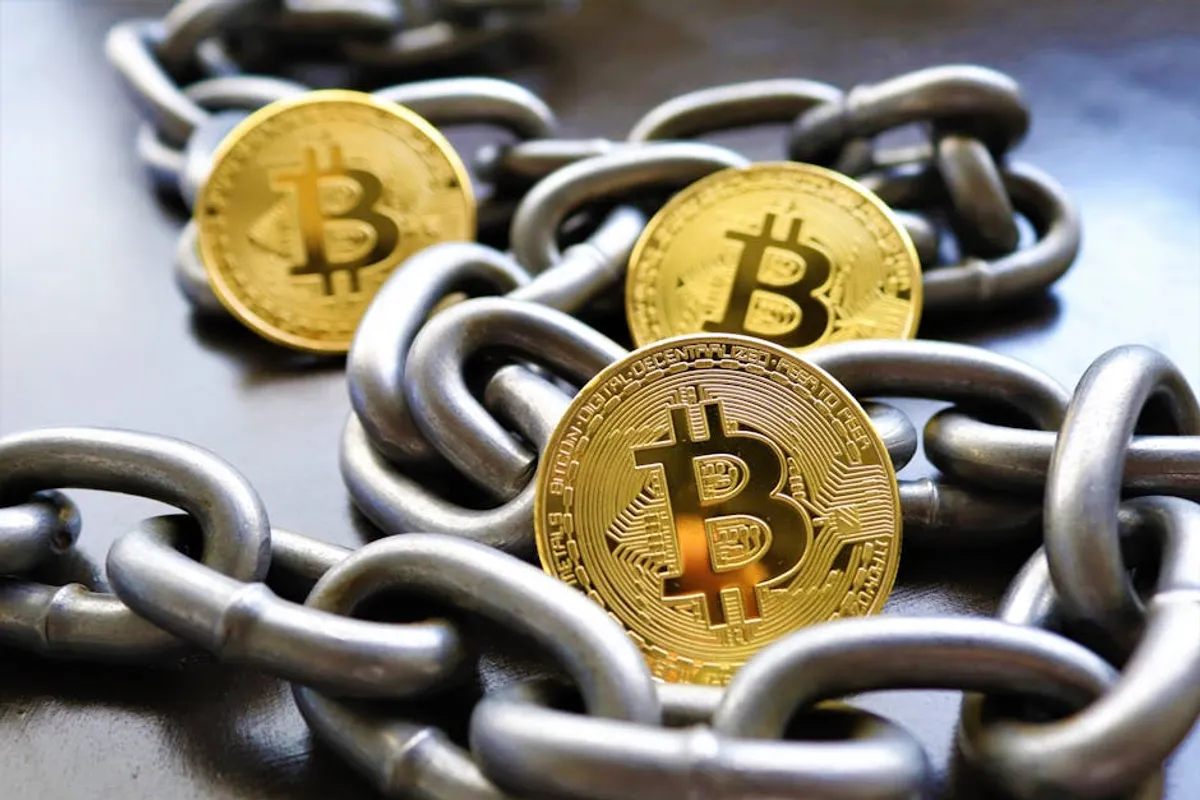
Navigating online purchases with cryptocurrency introduces a distinct set of security considerations beyond traditional payment methods. While digital assets offer advantages like decentralization and potentially lower transaction fees, they also demand a proactive approach to protection. Unlike fiat currency, which often has consumer protection mechanisms through banks or credit card companies, cryptocurrency transactions are typically irreversible. This absence of chargeback protection means that once a payment is sent, recovering funds from fraudulent transactions or errors is exceptionally difficult, if not impossible. Therefore, for online shoppers, understanding and implementing robust security practices isn't merely advisable; it's fundamental to safeguarding digital wealth and ensuring transactional integrity. This guide outlines essential strategies to mitigate risks, protecting your assets from theft, scams, and accidental loss when engaging with online vendors.
Establishing a Secure Foundation for Crypto Shopping
Before executing any crypto purchase online, a foundational understanding of security principles is critical. The decentralized nature of cryptocurrency shifts the burden of security largely onto the individual. This means taking personal responsibility for wallet management, transaction verification, and awareness of common attack vectors. Key considerations include the type of wallet used (hot vs. cold), the security posture of the platforms interacted with (exchanges, payment gateways), and your own digital hygiene. Prioritize solutions that offer verifiable security features and demand minimal trust in third parties. Always assume that any online interaction could be a potential risk, and build your defense layers accordingly. This proactive mindset forms the bedrock of secure crypto shopping.
1. Utilize Hardware Wallets
Hardware wallets offer cold storage for cryptocurrency, meaning your private keys are kept offline. This physical separation from internet-connected devices significantly reduces exposure to online threats like malware, phishing, and remote hacks. For online shoppers, using a hardware wallet means moving only the necessary crypto to a hot wallet or exchange when making a purchase, keeping the bulk of your assets secure.
Best for: Securing significant crypto holdings, long-term investment, and infrequent transactions where asset protection outweighs immediate convenience.
Pros: Superior offline security; physical transaction confirmation; malware and virus resistant.
Cons: Initial cost; potential for loss or damage; less convenient for frequent, small purchases.
Verdict: An indispensable first line of defense for any serious crypto holder, providing a robust barrier against digital theft.
2. Enable Two-Factor Authentication (2FA) Everywhere
Two-Factor Authentication adds a critical layer of security by requiring a second form of verification beyond just a password. This typically involves a code from a dedicated authenticator app (like Google Authenticator or Authy) or a physical security key. For online shoppers, 2FA on exchanges, payment gateways, and even email accounts linked to crypto services prevents unauthorized access even if your password is compromised, significantly reducing the risk of account takeover.
Best for: Protecting exchange accounts, online crypto payment platforms, and associated email accounts from unauthorized access.
Pros: Strong defense against password theft; significantly harder for attackers to gain access; widely available.
Cons: Can be inconvenient; loss of 2FA device can lock you out; SMS 2FA is less secure than app-based or hardware keys.
Verdict: A non-negotiable security measure for all crypto-related accounts, essential for preventing account compromise.
3. Practice Strong Password Hygiene
Employing unique, complex passwords for every online service is fundamental. This means using a combination of uppercase and lowercase letters, numbers, and symbols, and ensuring no two passwords are alike. For crypto shoppers, a compromised password on one non-crypto site should never grant access to your crypto exchange or wallet. A password manager is highly recommended to generate and store these credentials securely, eliminating the need to remember dozens of complex strings.
Best for: Protecting all online accounts, especially those linked to financial services, from brute-force attacks and credential stuffing.
Pros: Prevents widespread compromise from single data breaches; improves overall digital security posture; easily managed with password managers.
Cons: Requires discipline to maintain; initial setup of a password manager can take time; remembering a master password.
Verdict: The baseline for digital security; without unique, strong passwords, other measures are significantly weakened.
4. Understand and Verify Transaction Details
Before confirming any cryptocurrency transaction, meticulously verify every detail: the recipient's wallet address, the amount, and the network being used. Cryptocurrency transactions are irreversible, so an error in any of these fields means permanent loss of funds. For online shoppers, this involves double-checking the merchant's provided address against the one in your wallet, and confirming the correct network (e.g., ERC-20, BEP-20) to avoid sending funds to an incompatible chain.
Best for: Preventing accidental loss of funds due to typos, incorrect addresses, or using the wrong blockchain network.
Pros: Eliminates irreversible errors; ensures funds reach the intended recipient; prevents sending crypto to incompatible networks.
Cons: Requires careful attention before every transaction; can be time-consuming for frequent small payments.
Verdict: A critical final check that directly prevents financial loss from human error in an unforgiving transactional environment.
5. Be Wary of Phishing and Scams
Phishing attempts and various scams are rampant in the crypto space, often disguised as legitimate communications from exchanges, wallets, or online retailers. These typically aim to trick users into revealing private keys, seed phrases, or login credentials. Online shoppers must be hyper-vigilant about unsolicited emails, messages, or pop-ups that request sensitive information or prompt clicks on suspicious links. Always navigate directly to official websites or use trusted bookmarks.
Best for: Protecting sensitive personal and financial data from malicious actors attempting to steal assets through deception.
Pros: Prevents loss of private keys/credentials; protects against malware installation; maintains control over your assets.
Cons: Requires constant vigilance; sophisticated scams can be difficult to identify; relies on user education.
Verdict: Continuous education and skepticism are the strongest defenses against the evolving landscape of crypto-related fraud.
6. Use a Dedicated Device for Crypto Transactions
Designating a specific device (e.g., a clean laptop or smartphone) solely for cryptocurrency transactions and management significantly reduces exposure to malware and other cyber threats. This device should be kept offline when not in use, have minimal software installed, and be free from general web browsing or email activity. For online shoppers, this creates an isolated environment, minimizing the chance of keyloggers or screen scrapers capturing sensitive information during a purchase.
Best for: Isolating crypto activities from general internet usage, enhancing protection against malware, spyware, and keyloggers.
Pros: Creates a "clean room" environment for transactions; reduces attack surface; improves overall security posture for high-value operations.
Cons: Requires an additional device; less convenient for casual use; still requires careful management of the dedicated device.
Verdict: A high-level security practice for those with substantial crypto holdings or frequent, high-value transactions, providing an extra layer of isolation.
7. Keep Software and Operating Systems Updated
Regularly updating your operating system, web browser, antivirus software, and any crypto-related applications (wallet software, exchange apps) is crucial. Software updates often include patches for newly discovered security vulnerabilities that attackers could exploit. For online shoppers, running outdated software creates open doors for malware that could compromise your device and, subsequently, your crypto assets during a transaction.
Best for: Closing known security loopholes in software, protecting against exploits, and maintaining a robust defense against evolving threats.
Pros: Patches critical vulnerabilities; improves system stability and performance; often includes new security features.
Cons: Updates can sometimes introduce new bugs; requires occasional restarts; can be disruptive if not managed.
Verdict: A fundamental aspect of digital hygiene that prevents attackers from exploiting known weaknesses in your digital environment.
8. Use a VPN (Virtual Private Network)
A Virtual Private Network encrypts your internet connection and masks your IP address, making your online activities more private and secure. While not a direct crypto security measure, a VPN protects your data from being intercepted, especially when using public Wi-Fi networks. For online shoppers, this means that sensitive information exchanged during a crypto purchase is less vulnerable to eavesdropping, adding a layer of privacy and preventing potential man-in-the-middle attacks.
Best for: Enhancing online privacy and security, especially on public Wi-Fi, by encrypting internet traffic and masking location.
Pros: Encrypts data; hides IP address; bypasses geo-restrictions; protects against ISP tracking.
Cons: Can slow down internet speeds; reputable services often cost money; doesn't protect against all online threats.
Verdict: A valuable tool for general online privacy that indirectly contributes to crypto security by securing the network layer.
9. Backup Seed Phrases Securely
Your wallet's seed phrase (or recovery phrase) is the master key to your funds. Losing it means losing access to your crypto, and if it falls into the wrong hands, your assets can be stolen. Backing up this phrase offline, typically by writing it down on paper and storing it in a secure, fireproof, and waterproof location (e.g., a safe deposit box), is paramount. Never store it digitally, on cloud services, or take photos of it. This ensures that even if your device is lost or destroyed, your funds are recoverable.
Best for: Ensuring permanent access to your crypto funds and protecting against physical loss or destruction of your wallet device.
Pros: Guarantees fund recovery; offline storage is immune to cyberattacks; provides peace of mind.
Cons: Requires physical security measures; can be lost or damaged if not stored properly; forgetting its location.
Verdict: The ultimate safeguard against irreversible loss of funds due to device failure or human error; absolute essential for self-custody.
10. Diversify Wallet Types
Relying solely on one type of wallet, especially a hot wallet (connected to the internet), increases risk. Diversifying your crypto storage across different wallet types – hardware wallets for cold storage, reputable software wallets for smaller amounts, and exchange wallets for trading capital – balances security with convenience. For online shoppers, this means keeping only the necessary funds in a hot wallet for immediate purchases, while larger sums remain protected in cold storage.
Best for: Balancing security and accessibility, mitigating risk by not concentrating all assets in a single point of failure.
Pros: Reduces overall exposure to single-point attacks; allows for tailored security levels based on asset value; improves risk management.
Cons: Requires managing multiple wallets; can be more complex to track assets across different platforms.
Verdict: A strategic approach to asset management that minimizes the impact of a security breach on your entire portfolio.
11. Monitor Your Accounts Regularly
Actively monitoring your cryptocurrency exchange accounts, wallet activity, and associated email inboxes for unusual transactions or login attempts is a proactive security measure. Many exchanges offer notification services for logins from new devices or large withdrawals. For online shoppers, prompt detection of unauthorized activity allows for quicker response, potentially limiting losses by freezing accounts or initiating recovery procedures before significant damage occurs.
Best for: Early detection of unauthorized access or fraudulent activity, allowing for rapid response to mitigate potential losses.
Pros: Provides an early warning system; enables quick action to secure compromised accounts; fosters financial awareness.
Cons: Requires consistent vigilance; can be time-consuming; may generate false alarms.
Verdict: Essential for maintaining oversight of your digital assets and responding effectively to potential security incidents.
12. Educate Yourself Continuously
The cryptocurrency landscape evolves rapidly, with new technologies, scams, and security best practices emerging constantly. Staying informed about the latest threats, understanding how different blockchains operate, and learning about new security tools is crucial. For online shoppers, this means regularly reading reputable crypto news, security blogs, and community forums to adapt your practices and avoid falling victim to novel attack vectors. Ignorance is a significant vulnerability in this space.
Best for: Adapting to the dynamic crypto security landscape, identifying emerging threats, and making informed decisions about asset protection.
Pros: Empowers users with knowledge; fosters proactive security habits; reduces susceptibility to new scams.
Cons: Requires time commitment; information overload can be a challenge; discerning reputable sources.
Verdict: The most powerful, ongoing security practice, ensuring your defenses remain relevant and effective against ever-changing threats.
Integrating Practices for Enhanced Protection
Implementing individual security practices is a strong start, but their true power lies in their synergistic application. A layered security strategy, where multiple defenses reinforce each other, provides the most robust protection for online crypto shoppers. For instance, combining a hardware wallet with 2FA on your exchange account and a dedicated device for transactions creates a significantly more secure environment than any single measure alone. Regularly review your current setup, especially after significant software updates or changes in your crypto activity. Consider performing periodic "security audits" of your own practices: check password strength, verify 2FA is active on all critical accounts, and ensure your seed phrase backups are still secure and accessible only to you. The goal is to build a resilient ecosystem around your digital assets, making it prohibitively difficult for malicious actors to succeed.
Frequently Asked Questions
Q: Are software wallets safe for online shopping?
A: Software wallets can be safe for small, routine online purchases if managed carefully. However, they are "hot wallets" and are inherently more vulnerable to online threats than hardware wallets. It's best to keep only the amount you intend to spend in a software wallet, with larger holdings secured in cold storage.
Q: What if an online merchant's website seems suspicious?
A: If a merchant's website raises any red flags (e.g., poor grammar, unusual payment requests, lack of contact information), do not proceed with the purchase. Verify the merchant's legitimacy through independent reviews, reputable directories, or by contacting them directly through official channels before initiating any crypto transaction.
Q: How can I protect myself from SIM swap attacks?
A: SIM swap attacks can bypass SMS-based 2FA. To protect against this, prioritize authenticator app-based 2FA or physical security keys over SMS 2FA for all critical accounts. Additionally, contact your mobile carrier to inquire about enhanced security measures for your account, such as requiring a PIN for SIM card changes.
Q: Should I use a public Wi-Fi network for crypto transactions?
A: No, public Wi-Fi networks are generally insecure due to the risk of eavesdropping and man-in-the-middle attacks. Always use a secure, private network or a reputable VPN when conducting any cryptocurrency transactions or accessing sensitive financial accounts online.
Q: What is a "seed phrase" and why is it important?
A: A seed phrase is a series of 12 or 24 words that serves as your wallet's master key. It's crucial because it allows you to recover your cryptocurrency funds if your wallet device is lost, stolen, or damaged. Keeping it secure and offline is paramount, as anyone with your seed phrase can access and control your funds.