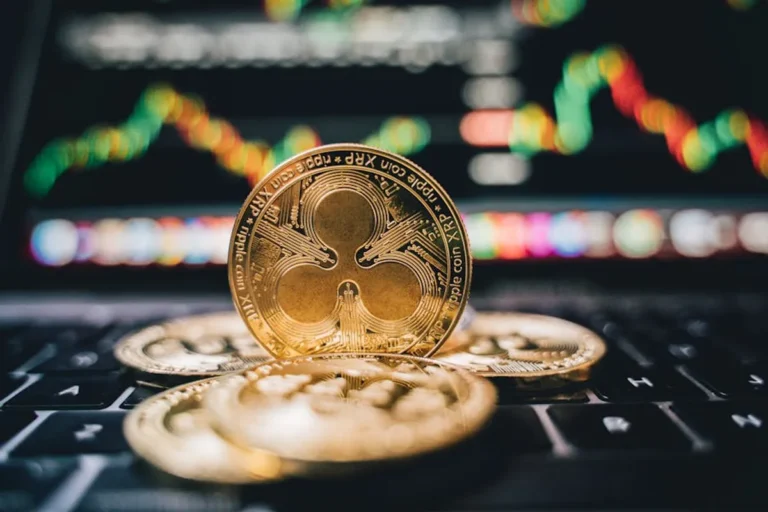

XRP, a digital asset designed for global payments, occupies a distinct position within the cryptocurrency ecosystem. Unlike many decentralized cryptocurrencies, XRP was created by Ripple Labs to facilitate rapid, low-cost cross-border transactions, bridging traditional finance and digital assets. For professionals operating in or observing the digital asset space, understanding XRP's price movements, underlying market trends, and the specific indicators informed traders monitor is critical for accurate market assessment and strategic planning. This analysis moves beyond speculative trading advice to provide a framework for comprehending the commercial and technical drivers shaping XRP's valuation and market perception.
XRP's Foundational Utility and Market Context
XRP's design centers on solving inefficiencies in international payments. Its core utility stems from RippleNet, a network of institutional payment providers, and its On-Demand Liquidity (ODL) service. ODL leverages XRP as a bridge currency, enabling financial institutions to send money across borders without pre-funding destination accounts, thus reducing operational costs and settlement times.
- RippleNet: A global payments network that allows financial institutions to send money globally with more reliability and speed.
- On-Demand Liquidity (ODL): Utilizes XRP to source liquidity for cross-border transactions, eliminating the need for pre-funded nostro/vostro accounts.
- Transaction Speed and Cost: XRP transactions typically settle in seconds with minimal fees, contrasting sharply with traditional banking rails.
Key Influencers on XRP Price Dynamics
Several factors uniquely shape XRP's price, often diverging from broader crypto market sentiment due to its specific use case and regulatory challenges.
Regulatory Landscape and Legal Challenges: The ongoing legal dispute with the U.S. Securities and Exchange Commission (SEC) has been a primary driver of XRP's price volatility and market sentiment. Positive or negative developments in this case directly impact investor confidence and the asset's availability on exchanges, particularly in the United States.
Partnerships and Adoption Rates: The expansion of RippleNet and the adoption of ODL by financial institutions directly correlate with XRP's utility. Each new partnership or successful implementation of ODL can signal increased demand for the asset as a liquidity tool, influencing its market value.
Market Sentiment and Broader Crypto Trends: While XRP has unique drivers, it is not entirely immune to the overall cryptocurrency market. Significant movements in Bitcoin or Ethereum, or shifts in general investor risk appetite, can still exert influence on XRP's price action.
Supply Dynamics and Escrow Releases: Ripple Labs holds a substantial portion of XRP in escrow, releasing a set amount monthly. While designed to provide predictability, these releases are closely watched by the market. Any deviation from the established schedule or perception of excessive supply entering the market can affect price.
Market Trends Shaping XRP's Trajectory
Beyond immediate price triggers, several overarching market trends provide context for XRP's long-term outlook and commercial viability.
Institutional Interest and Investment Products: The growing interest from institutional investors in the broader crypto space is a significant trend. The availability of regulated investment products (e.g., ETPs, trusts) for XRP outside the U.S. indicates a maturing market and increased access for larger capital flows.
Interoperability and Cross-Chain Solutions: The push for greater interoperability between different blockchain networks aligns with XRP's role as a bridge asset. Developments in cross-chain communication and atomic swaps could enhance XRP's utility in a multi-chain future.
Central Bank Digital Currencies (CBDCs): Ripple has positioned itself as a potential technology partner for central banks exploring CBDCs. Progress in CBDC development globally and Ripple's involvement could open new avenues for XRP's underlying technology, even if not directly using XRP as the CBDC itself.
Pro Tip: For market analysts and content strategists, closely monitor official announcements from Ripple and court filings related to the SEC case. These events frequently generate significant market reaction and provide clear data points for trend analysis and narrative development within the crypto payments sector.
What Informed Traders Monitor
Traders and market participants employ a range of tools and data points to assess XRP's potential movements. Understanding these provides insight into market psychology and critical decision-making factors.
On-Chain Metrics
These data points are derived directly from the XRP Ledger and offer insights into network activity and usage.
- Transaction Volume: High transaction volume can indicate increased utility or speculative interest. A consistent rise might suggest growing adoption.
- Active Addresses: The number of unique addresses sending or receiving XRP provides a measure of network engagement. Sustained growth often correlates with a healthy ecosystem.
- Large Holder Activity (Whales): Monitoring movements of large XRP holders can sometimes signal upcoming shifts in market sentiment, though this requires careful interpretation to avoid misattribution.
Technical Analysis Indicators
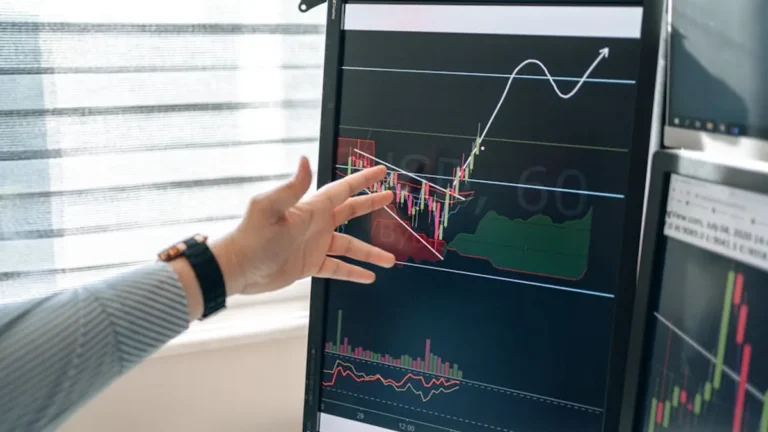
Traders use historical price and volume data to predict future price movements.
- Moving Averages (MAs): Crossovers between short-term and long-term MAs (e.g., 50-day and 200-day) are often used to identify trend changes.
- Relative Strength Index (RSI): This momentum oscillator measures the speed and change of price movements, indicating overbought or oversold conditions.
- Volume Profile: Analyzing where significant trading volume occurs at different price levels can identify strong support and resistance zones.
News and Social Sentiment Analysis
External factors and public perception play a significant role in a volatile market like crypto.
- Regulatory Updates: Any news regarding the SEC lawsuit, new regulations, or government stances on digital assets for payments can cause immediate price reactions.
- Ripple Announcements: News of new partnerships, product launches, or technological advancements from Ripple Labs are closely watched for their potential impact on XRP's utility and demand.
- Social Media Trends: While speculative, monitoring prominent crypto commentators and general sentiment on platforms like X (formerly Twitter) or Reddit can offer a pulse on retail investor interest and collective market mood.
Navigating the XRP Market Landscape
For professionals needing to understand the digital asset market, XRP presents a unique case study in how utility, regulation, and market sentiment converge. Its distinct role in cross-border payments, coupled with its regulatory journey, means that its market dynamics often require a specialized lens. Continuous monitoring of the factors outlined—from core utility adoption to legal developments and technical indicators—is essential for any stakeholder seeking to make informed decisions or develop strategies within this segment of the digital economy.
Frequently Asked Questions
What is XRP primarily used for? XRP is primarily used as a bridge currency for fast, low-cost cross-border payments and remittances, facilitating On-Demand Liquidity (ODL) for financial institutions.
How does the SEC lawsuit affect XRP's market? The lawsuit has introduced significant regulatory uncertainty, impacting XRP's listing on U.S. exchanges and influencing investor sentiment, leading to heightened price volatility based on legal developments.
Is XRP decentralized? While the XRP Ledger is open-source and validated by independent participants, Ripple Labs holds a substantial amount of XRP and plays a significant role in its ecosystem, leading to ongoing discussions about its level of decentralization compared to assets like Bitcoin.
What are the main risks associated with XRP? Key risks include regulatory uncertainty, competition from other payment solutions or CBDCs, and general cryptocurrency market volatility.