
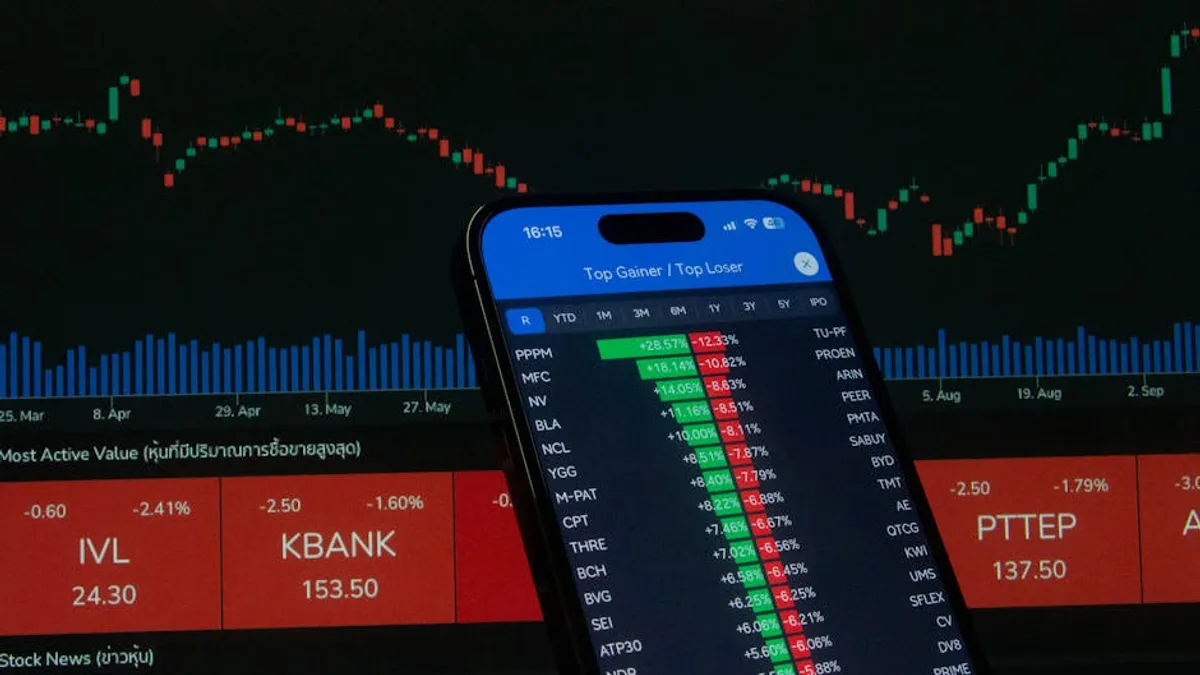
The FTSE 100, representing the 100 largest UK-listed companies by market capitalization, serves as a critical barometer for both the British economy and broader global investor sentiment. For SEO professionals, marketers, and site owners, understanding its movements extends beyond mere financial observation; it informs content strategy, identifies emerging market narratives, and provides context for economic shifts impacting consumer behavior and business investment. This index is not a static entity; its trajectory is shaped by a complex interplay of macroeconomic forces, corporate performance, and geopolitical developments. Analyzing these dynamics offers a commercial advantage, enabling more precise forecasting and the creation of highly relevant, timely content that resonates with an informed audience.
Understanding the FTSE 100 Composition
The FTSE 100 is a market-capitalization-weighted index. This means companies with larger market values exert a greater influence on the index's overall performance. Its composition is reviewed quarterly, allowing new entrants and exits based on market value, ensuring it remains representative of the UK's largest listed firms. However, this weighting structure also means that the performance of a few dominant companies or sectors can disproportionately sway the index.
Sectoral Weightings and Their Impact
The FTSE 100 is not evenly distributed across all sectors. Historically, it has a significant weighting towards certain industries, which makes it particularly sensitive to events affecting those areas. Key sectors include:
- Financials: Major banks, insurance companies, and asset managers form a substantial part. Their performance is highly sensitive to interest rate changes, regulatory environments, and overall economic stability.
- Energy: Large oil and gas producers often have a considerable presence. Fluctuations in global commodity prices, particularly crude oil, directly impact their profitability and, consequently, the index.
- Consumer Staples: Companies producing everyday goods tend to be more resilient during economic downturns, offering a degree of stability to the index, though their growth might be slower during boom times.
- Materials: Mining companies and other raw material producers are sensitive to global demand, industrial output, and commodity prices.
- Industrials: Engineering, aerospace, and defense firms are influenced by government spending, international trade, and capital expenditure cycles.
A strong performance in the energy sector, for instance, can lift the entire index even if other sectors are lagging, due to the sheer market capitalization of its constituent companies. Conversely, a downturn in financials can drag the index significantly.
Key Macroeconomic Drivers Shaping FTSE 100 Trends
External economic factors play a decisive role in the FTSE 100's direction, often overshadowing individual company news. These macro drivers create the underlying currents that determine market sentiment and investor confidence.
Inflation and Interest Rate Policies
Central bank decisions, particularly from the Bank of England, on interest rates and quantitative easing/tightening are paramount. Higher interest rates typically increase borrowing costs for businesses, potentially dampening investment and consumer spending, which can negatively impact corporate earnings. Conversely, lower rates can stimulate economic activity. Inflation, if persistent, erodes purchasing power and can force central banks to raise rates, creating a cycle that directly influences the valuation of companies and the index.
Global Economic Growth and Geopolitical Events
Many FTSE 100 companies are multinational, deriving significant portions of their revenue from outside the UK. Consequently, global economic growth rates, international trade agreements, and supply chain stability directly affect their profitability. Major geopolitical events—such as conflicts, trade wars, or significant political shifts in key markets—introduce uncertainty, prompting investors to shift towards safer assets and often leading to market volatility and downward pressure on the index.
Commodity Prices
Given the heavy weighting of energy and materials companies, the prices of key commodities like crude oil, natural gas, and industrial metals are crucial. A surge in oil prices, for example, can boost the profits of oil majors, but simultaneously increase operating costs for other businesses and reduce consumer discretionary spending, creating a mixed impact across the index.
Internal Dynamics and Corporate Actions
Beyond macroeconomic forces, the specific actions and performance of the constituent companies themselves contribute significantly to the FTSE 100's movements.
Earnings Reports and Dividend Policies
Quarterly and annual earnings reports provide a snapshot of a company's financial health. Strong earnings, positive outlooks, or increased dividend payouts typically lead to higher stock prices. Conversely, profit warnings, missed forecasts, or reduced dividends can trigger sharp declines. These individual movements, especially from heavily weighted companies, aggregate to influence the overall index.
Mergers, Acquisitions, and Share Buybacks
Significant corporate actions can generate considerable market activity. Mergers and acquisitions can lead to a re-evaluation of target and acquiring companies, often resulting in immediate stock price adjustments. Share buybacks, where a company repurchases its own stock, reduce the number of outstanding shares, which can boost earnings per share and support the stock price, signaling confidence in future prospects.
Analyzing Current FTSE 100 Trends
Pro Tip: When interpreting FTSE 100 trends, distinguish between short-term noise and long-term shifts. Daily fluctuations are often driven by sentiment or minor news, while sustained trends typically reflect fundamental changes in macroeconomic conditions or sector performance. Focus on weekly or monthly averages and sector-specific news to identify meaningful patterns.
Recent FTSE 100 trends have often reflected a tension between global inflationary pressures and the resilience of certain defensive sectors. Periods of higher interest rates tend to favor financial companies due to improved net interest margins, while also potentially weighing on growth-oriented sectors. Energy and materials sectors frequently see volatility tied to global supply and demand dynamics, particularly in response to geopolitical events impacting commodity flows. Consumer staples, with their stable demand, can offer relative stability during uncertain times, attracting investors seeking lower risk. Identifying these prevailing sentiments and sector rotations is key to understanding the index's current trajectory.
Strategic Implications for Businesses and Content Creators
For businesses and content creators, understanding FTSE 100 dynamics offers several actionable advantages:
- Content Relevance: Align financial news, market analysis, and economic commentary with current FTSE 100 drivers. For example, during periods of high energy prices, content focusing on energy company earnings or the impact on household bills will resonate.
- Audience Targeting: Identify which business sectors or consumer demographics are most affected by specific FTSE 100 movements. This allows for more precise messaging and product positioning.
- Business Forecasting: Use FTSE 100 performance and its underlying drivers as an input for broader economic forecasts, influencing inventory management, hiring decisions, and investment planning.
- Competitive Analysis: Monitor how competitors, especially those listed on the FTSE 100, are performing and reacting to market conditions. Their public statements and earnings reports offer insights into sector-wide challenges and opportunities.
- Investment Strategy: For those involved in financial services or investment content, these insights are foundational for developing informed strategies and advising clients.
Navigating Market Volatility and Future Outlook
The FTSE 100 remains a dynamic indicator, constantly reacting to a confluence of internal and external factors. Navigating its volatility requires a continuous, informed approach. Instead of reacting to every daily swing, focus on the underlying economic narratives and structural shifts. Monitoring central bank communications, global economic indicators, and key corporate announcements provides a more robust framework for anticipating future movements. A balanced perspective, combining macroeconomic analysis with sector-specific insights, is crucial for making strategic decisions, whether for investment, business planning, or content development.
Frequently Asked Questions
What is the FTSE 100?
The FTSE 100, pronounced "Footsie 100," is a share index of the 100 companies listed on the London Stock Exchange with the highest market capitalization. It is widely regarded as a benchmark for the overall health of the UK economy and the performance of its largest companies.
How often does the FTSE 100 change?
The composition of the FTSE 100 is reviewed quarterly, typically in March, June, September, and December. Companies are added or removed based on their market capitalization rankings, ensuring the index remains representative of the largest UK-listed firms.
Why is the FTSE 100 important for the UK economy?
As a primary indicator of the UK stock market, the FTSE 100 reflects investor confidence and the financial performance of major British and multinational companies operating in the UK. Its movements can influence consumer sentiment, business investment, and the perceived stability of the British economy.
How do global events affect the FTSE 100?
Many FTSE 100 companies have significant international operations, making the index highly susceptible to global events. Geopolitical tensions, changes in international trade policies, fluctuations in global commodity prices, and economic growth rates in major markets can all directly impact the revenues and profitability of these companies, thereby affecting the FTSE 100.