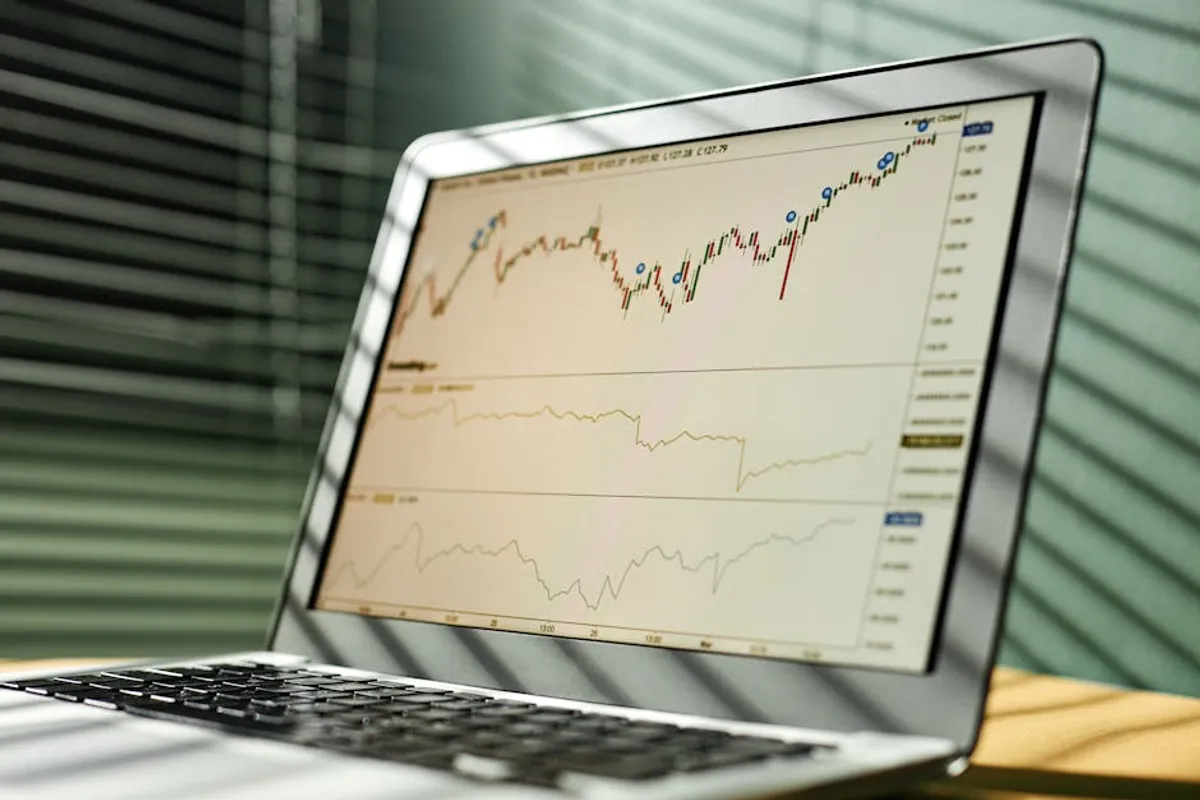
Dow Jones Futures serve as an early barometer for the broader market, offering traders and investors a critical look into sentiment and potential price action before the opening bell. Understanding these contracts is not merely an academic exercise; it is a fundamental component of pre-market analysis, enabling strategic positioning and risk management. For those navigating the complexities of daily market movements, discerning the signals embedded within Dow Jones Futures can inform decisions ranging from adjusting portfolio hedges to identifying short-term trading opportunities. This insight is particularly valuable in volatile periods, where early indications of directional bias can significantly impact outcomes.
Understanding Dow Jones Futures Contracts
Dow Jones Futures are standardized, exchange-traded contracts that obligate a buyer to purchase, or a seller to sell, the value of the Dow Jones Industrial Average (DJIA) at a predetermined price on a future date. Unlike the DJIA itself, which reflects the current value of 30 large, publicly traded U.S. companies, futures contracts trade nearly 24 hours a day, providing continuous price discovery outside of regular stock market hours. These contracts are cash-settled, meaning no physical delivery of stocks occurs; instead, profits and losses are settled in cash based on the difference between the contract price and the settlement price.
Purpose:
- Price Discovery: They provide a real-time gauge of how market participants view the future direction of the Dow Jones Industrial Average.
- Hedging: Institutional investors and portfolio managers use futures to hedge against potential declines in their equity portfolios.
- Speculation: Traders speculate on the future price movements of the DJIA without needing to buy all 30 underlying stocks.
The liquidity and continuous trading nature of Dow Jones Futures make them a primary indicator for market sentiment, often moving in anticipation of economic reports, corporate announcements, and geopolitical developments.
How Futures Function as Pre-Market Signals
The movement of Dow Jones Futures contracts between the close of one trading day and the open of the next provides a crucial window into investor expectations. A significant upward trend in futures prices overnight, for instance, suggests positive sentiment, potentially leading to a higher opening for the DJIA. Conversely, a sharp decline indicates bearish pressure, often translating into a lower market open. This pre-market activity reflects how global events, company news, and economic data released outside U.S. trading hours are being digested by market participants.
Futures act as a leading indicator because they are traded by sophisticated market players who are often reacting to news and adjusting positions based on forward-looking analysis. Their collective actions in the futures market can create momentum or resistance that influences the cash market's opening direction. While not a guaranteed predictor, the correlation between futures movements and subsequent market openings is strong enough to warrant close attention from active traders.
Key Influences on Dow Jones Futures Movements
Several factors drive the price action in Dow Jones Futures, often with immediate and pronounced effects:
Economic Data Releases
Major economic indicators, such as the Consumer Price Index (CPI), Non-Farm Payrolls (NFP), Gross Domestic Product (GDP) reports, and manufacturing indices, can trigger significant futures movements. Data exceeding or falling short of consensus expectations can rapidly shift market sentiment, as these figures influence Federal Reserve policy expectations and corporate earnings outlooks. For example, a surprisingly strong NFP report might signal economic resilience, boosting futures, while an unexpected rise in CPI could spark inflation fears, potentially driving futures lower.
Corporate Earnings and Guidance
Reports from major companies, particularly those included in the DJIA, directly impact futures prices. Positive earnings surprises or optimistic forward guidance can lift futures, reflecting improved prospects for a significant segment of the market. Conversely, disappointing results or cautious outlooks often lead to declines. The cumulative effect of several influential companies reporting simultaneously can create substantial directional bias in futures trading.
Geopolitical Developments and Global News
International events, including political instability, trade disputes, or significant policy changes in major economies, frequently reverberate through the futures market. Uncertainty tends to foster risk aversion, pushing futures lower, while resolutions or positive diplomatic breakthroughs can spark rallies. Given the interconnectedness of global markets, news from Europe or Asia can have an immediate impact on Dow Jones Futures, even before U.S. markets open.
Federal Reserve Policy and Commentary
Statements, meeting minutes, and interest rate decisions from the Federal Reserve are closely scrutinized. Expectations around interest rate hikes or cuts, quantitative easing, or tightening policies can dramatically influence futures. A hawkish stance (indicating higher rates) generally pressures futures downward, while a dovish stance (indicating lower rates or accommodative policy) often supports them, as these policies directly affect borrowing costs and corporate profitability.
Pro Tip: Do not rely solely on Dow Jones Futures for trading decisions. Always cross-reference futures movements with other key indicators, such as S&P 500 Futures and Nasdaq Futures, along with global market performance and fundamental news, to confirm trends and avoid false signals. Isolated movements in one futures contract can sometimes be misleading without broader market confirmation.
Interpreting Market Signals from Futures
Interpreting Dow Jones Futures involves more than simply noting whether they are up or down. The magnitude of the move, the volume of trading, and the context of external news are all critical. A sustained move of 100 points or more in either direction during the overnight session, especially on higher-than-average volume, often indicates a strong directional bias for the upcoming trading day. Smaller, choppy movements might suggest indecision or a lack of significant new information.
Traders also monitor the relationship between Dow Jones Futures and their counterparts, S&P 500 Futures and Nasdaq Futures. If all three are moving in strong unison, it suggests broad market conviction. Divergences, where one index's futures are strong while another's are weak, can signal sector-specific trends or underlying market rotations that warrant closer investigation.
Applying Futures Insights to Trading Strategies
For traders and investors, integrating Dow Jones Futures analysis into daily routines involves several practical steps:
Pre-Market Analysis: Review futures performance from the prior close to the current pre-market. Identify significant gaps up or down, and correlate these movements with any overnight news or economic data releases. This helps establish a preliminary market bias for the day.
Risk Management: Use futures as an early warning system. If futures are significantly lower, indicating a potential market downturn, consider reducing exposure or tightening stop-loss orders on long positions. Conversely, strong futures might encourage more aggressive entry points for new long positions.
Confirmation and Contrarian Signals: Look for confirmation of futures signals once the cash market opens. If the DJIA opens sharply lower as indicated by futures but then quickly reverses, it could signal a "fade the gap" opportunity. Conversely, if the cash market reinforces the futures direction, it strengthens the conviction in that trend.
Identifying Key Levels: Futures trading often establishes key support and resistance levels before the cash market opens. These levels can become significant price targets or pivot points during regular trading hours.
Strategic Market Positioning
Understanding Dow Jones Futures empowers market participants to refine their strategic positioning. It allows for proactive adjustments rather than reactive responses once the main market opens. This foresight can translate into better entry and exit points, improved risk-adjusted returns, and a more robust overall trading strategy. By consistently monitoring and interpreting these signals, traders gain an edge in anticipating market behavior, rather than simply reacting to it.
Frequently Asked Questions
What is the difference between Dow Jones Futures and the Dow Jones Industrial Average?
The Dow Jones Industrial Average (DJIA) is an index representing the current value of 30 large U.S. companies. Dow Jones Futures are financial contracts whose value is derived from the DJIA, traded almost 24 hours a day, allowing investors to speculate on or hedge against the future price movements of the index.
How often are Dow Jones Futures prices updated?
Dow Jones Futures prices are updated continuously in real-time throughout their trading hours, which typically span from Sunday evening through Friday afternoon, with a brief daily pause.
Can individual investors trade Dow Jones Futures?
Yes, individual investors can trade Dow Jones Futures through brokerage accounts that offer futures trading. However, futures trading involves significant leverage and risk, making it suitable primarily for experienced investors who understand these complexities.
What is the significance of high volume in Dow Jones Futures trading?
High trading volume in Dow Jones Futures indicates stronger conviction behind price movements. A large price swing on high volume is generally considered a more reliable signal of market sentiment than a similar price change on low volume, which might be more easily influenced by fewer participants.